
Ledger.com/Start® | Getting started — Ledger®®
Ledger.io/start for Getting Started With a Ledger Wallet
Ledger.io/start can be used as a target keyword for content about beginning a Ledger hardware wallet setup and learning essential crypto-security practices. A careful setup process helps users understand their device, protect recovery information, and prepare for everyday wallet management.
Start With Your Hardware Wallet
A Ledger Hardware Wallet is a physical device designed to keep important wallet operations separated from routine online activity. During initial setup, users should follow the instructions provided with their device and carefully review information displayed on the hardware wallet.
Never share your recovery phrase. It should remain private and be stored securely offline rather than being saved in email, cloud storage, screenshots, or messaging applications.
Understanding Ledger Wallet Setup
A Ledger Wallet setup involves preparing the device, creating or restoring the appropriate wallet configuration, and establishing secure access. Users should take their time during this process and avoid accepting instructions from unofficial sources.
If a website or person asks for your recovery phrase, treat the request as suspicious. Your recovery information should never be required for routine customer support or ordinary wallet management.
Connect With Ledger Live
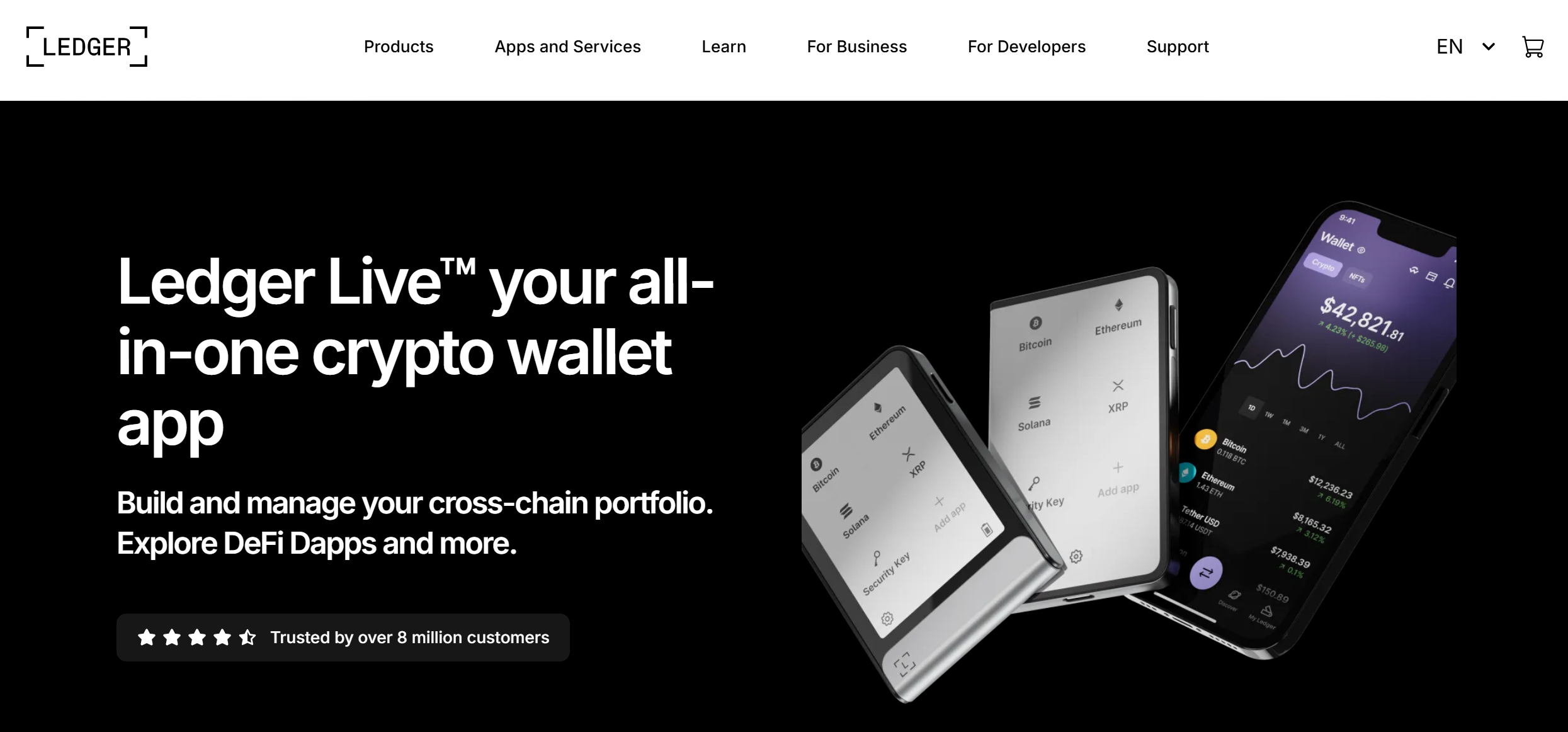
Ledger Live provides a software environment for interacting with compatible Ledger devices and managing supported accounts. Once the hardware wallet has been prepared, users can use the appropriate software to explore available wallet-management functions.
The Ledger Live App can provide access to supported features depending on the device and assets being used. Always verify that software comes from an authentic source before installation.
Managing Your Ledger Live Wallet
A Ledger Live Wallet workflow can make it easier to review supported accounts and monitor transaction activity. When sending digital assets, carefully verify the recipient address and transaction details.
Before confirming a transaction, compare the information shown on the Ledger device with the transaction you intended to make. This additional verification step can help reduce mistakes caused by incorrect addresses or misleading information.
Security Practices for Everyday Use
Security should continue after setup. Keep your device and PIN protected, maintain a secure offline backup of your recovery phrase, and be cautious when opening wallet-related links.
Phishing websites may imitate familiar wallet pages. Always check the website address and avoid entering sensitive information into unexpected forms.
Final Thoughts
Ledger.io/start can serve as a content focus for users looking for information about Ledger wallet setup and security. By combining a properly configured Ledger Hardware Wallet, compatible Ledger Live software, and careful security habits, users can create a more organized approach to managing supported digital assets.
Updated about 4 hours ago